


 10.09.2026 03:18 PM
The USD/CAD pair is consolidating just above the round 1.3800 level after failing to extend the modest advance recorded earlier. Traders are taking a wait-and-see stance, preferring to await upcoming US inflation data before committing to directional trades.
The US Producer Price Index (PPI) is due today during the North American session, while the Consumer Price Index (CPI) is scheduled for Friday. These key releases will be closely scrutinized for signals about potential further action by the Federal Reserve, which in turn will materially affect dollar demand and could provide USD/CAD with a renewed impulse.
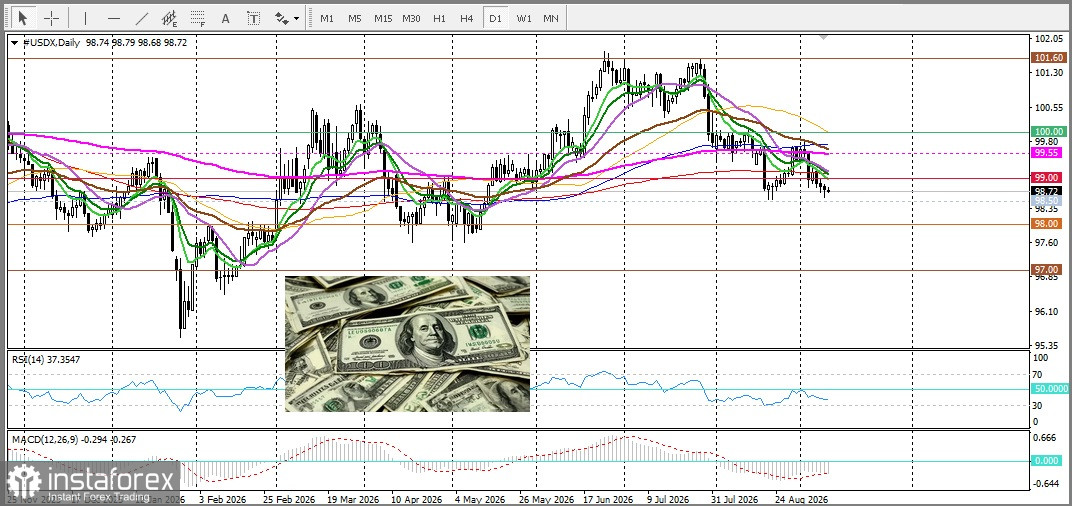
Meanwhile, markets are pricing a high probability of a Fed rate increase at the September 15–16 meeting. Inflationary risks tied to persistently elevated energy prices are also reinforcing expectations of further Fed tightening. These factors, together with rising tensions between the US and Iran, have supported the US dollar's safe-haven bid.
Following recent Middle East developments, Iran attacked 10 vessels near the Strait of Hormuz after the US reported it had disabled five Iranian oil tankers in the Gulf of Oman and near Khark Island. That raises concerns about potential prolonged supply disruptions, which supports oil prices and drives them toward a fresh three-month high — a dynamic that in turn bolsters the Canadian dollar.
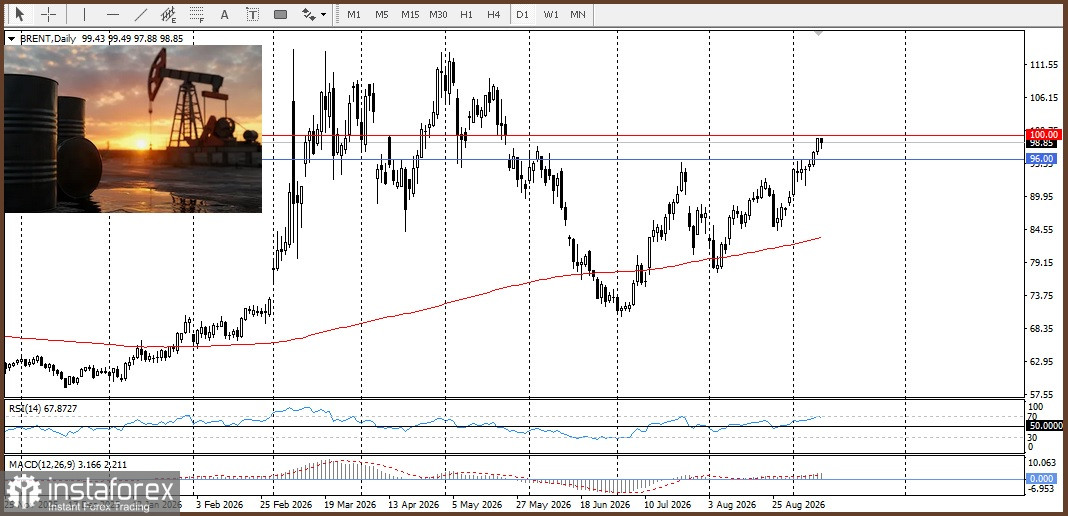
At the same time, US Treasury yields remain elevated after the Treasury announced a plan to buy back 10- to 20-year bonds for up to $6 billion, which appears to have disappointed investors. Higher yields add to the dollar's modest appreciation, although elevated oil prices continue to support the commodity-sensitive Canadian dollar and limit further gains in USD/CAD.
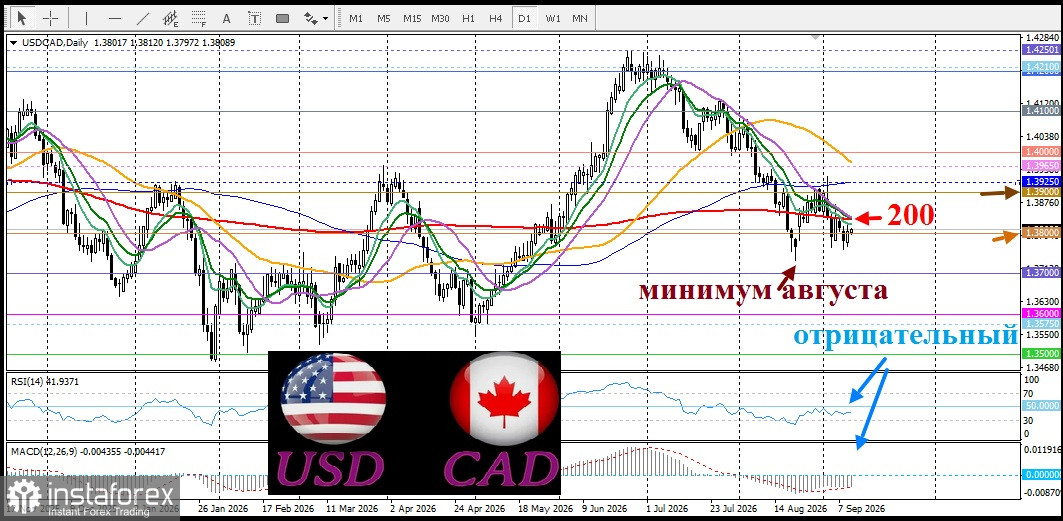
From a technical viewpoint, USD/CAD retains a bearish bias, trading below the 100-day simple moving average (SMA). Being below this long-term average suggests that rallies are likely corrective, and the overall technical picture points to continued downside risk unless buyers can push the currency pair back above the round 1.3900 level.
A decisive break and close below the August low would be a new bearish signal and pave the way for continuation of the sustained downtrend that has prevailed over the past two months. Oscillators are negative, confirming the bears' advantage.
You have already liked this post today
*The market analysis posted here is meant to increase your awareness, but not to give instructions to make a trade.

